


Warehouse Layout Design for Automation (Aisles, Flow, AGV Paths)
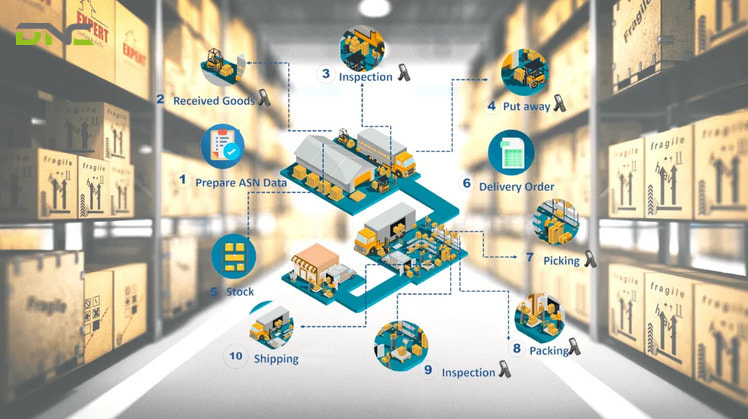
Warehouse layout design for automation is the plan that fixes where goods enter, travel, wait and leave before any storage block is drawn, because automated guided vehicles (AGVs), autonomous mobile robots (AMRs) and AS/RS (automated storage and retrieval system) cranes only work on planned paths. The flow shape comes first. A U-shaped, I-shaped or L-shaped..
Read more- 16 views
- 0 Comment
Warehouse Automation Cost in Malaysia: CAPEX, ROI & Payback by System Type
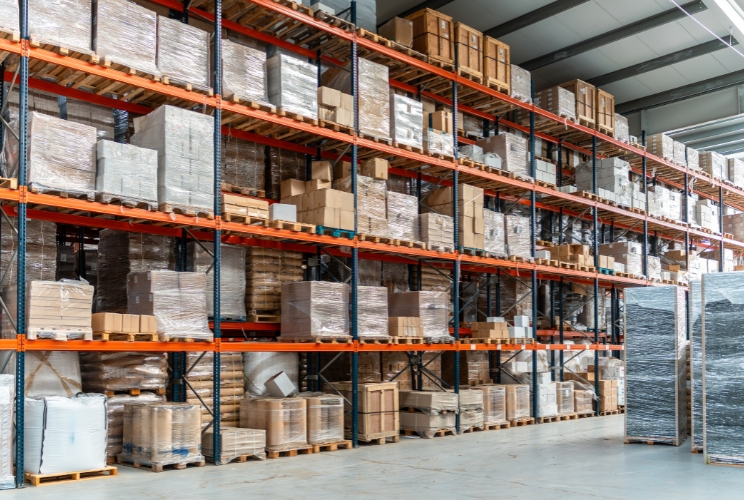
Warehouse automation cost in Malaysia runs from US$15,000 for scanning and an entry warehouse management system to US$15 million or more for AS/RS, sortation and robotics, with published payback periods from 6 months to 5 years across those tiers. Every range on the subject comes from a US or UK source and prices a different..
Read more- 21 views
- 0 Comment
Types of AGV by Load Handling: Tugger, Latent/Jacking, Forklift & Counterbalance
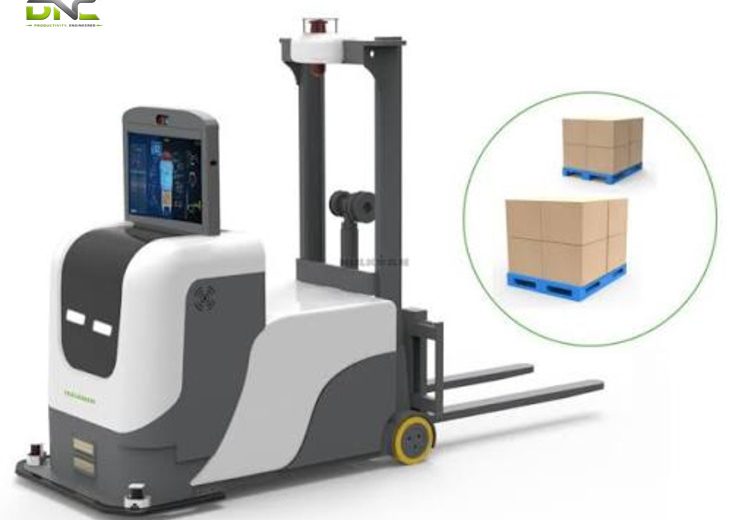
The types of automated guided vehicle, sorted by load handling, come down to three ways an AGV takes a load’s weight. A tugger AGV tows carts that keep their own wheels, so the vehicle supplies pulling force, not lifting force. A latent or jacking AGV drives under a cart or shelf, raises its top plate..
Read more- 13 views
- 0 Comment
Intralogistics Explained: Material Flow from Goods-In to Dispatch
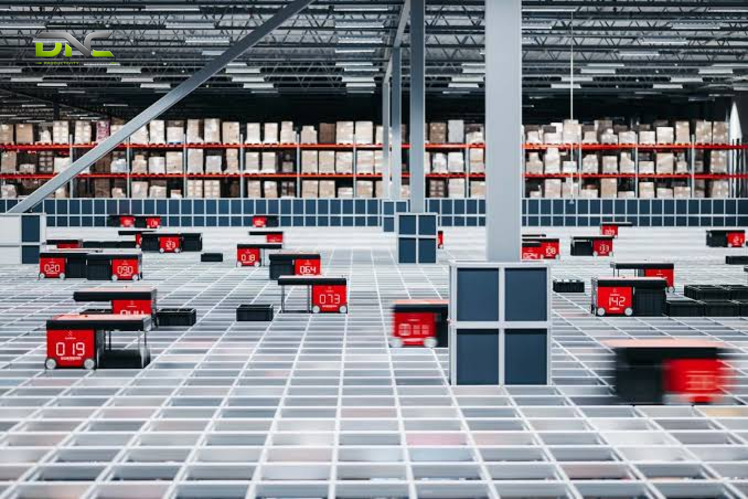
Intralogistics, or internal logistics, is the organisation, control and optimisation of every material and information flow inside one site, from the goods-in dock where supplier pallets arrive to the dispatch lane where finished pallets leave. In a factory that path runs through raw-material storage, line-side supply, production, the end-of-line packing cell and the finished-goods warehouse…
Read more- 8 views
- 0 Comment
AGV vs Conveyor for Pallet Transport: Which Fits Your Plant
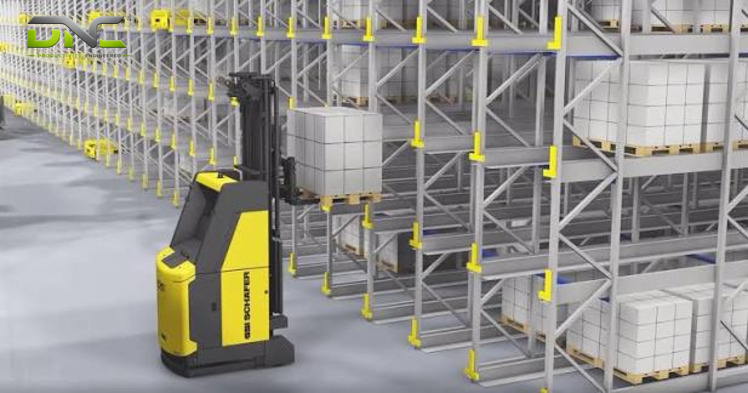
An AGV and a pallet conveyor both move finished unit loads from a production line to storage or the dock, but they pay for route length in opposite ways. A pallet conveyor pays once, in metres of frame: it carries a queue of pallets at the same time, so its hourly capacity is set by..
Read more- 9 views
- 0 Comment
Industry4WRD Grants: How Malaysian Factories Fund Automation
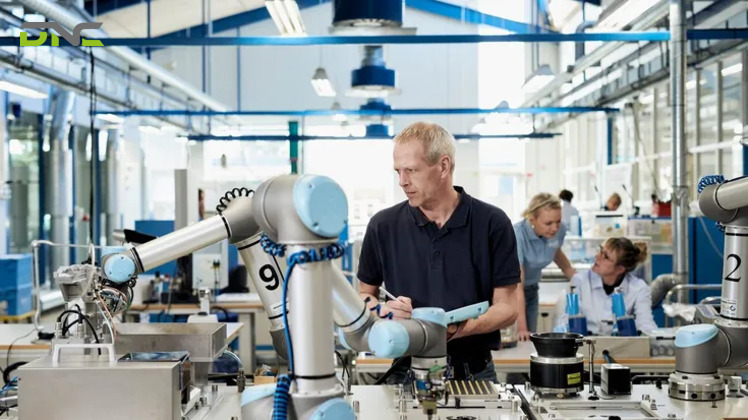
Industry4WRD is Malaysia’s National Policy on Industry 4.0, launched by the Ministry of International Trade and Industry (MITI) on 31 October 2018 for the 2018–2025 period, and for a manufacturer planning automation the policy works as a funding gateway rather than a slogan. The policy reaches a production line through three instruments: the Industry4WRD Intervention..
Read more- 6 views
- 0 Comment
Conveyor vs AGV: Capacity, Buffering and Failure Compared
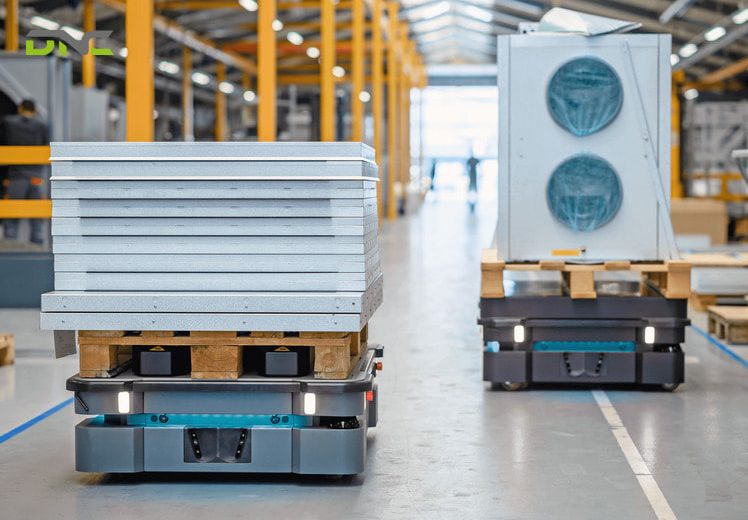
Failure behaviour follows the same structure: a conveyor stops in series, because one faulty zone halts every pallet behind it, while an AGV fleet degrades in parallel, because one vehicle out of service leaves the others moving. “If a single AGV or AMR is offline, these systems can still move product, but a faulty conveyor..
Read more- 9 views
- 0 Comment
AGV vs AMR: Differences in Navigation, Flexibility & Cost
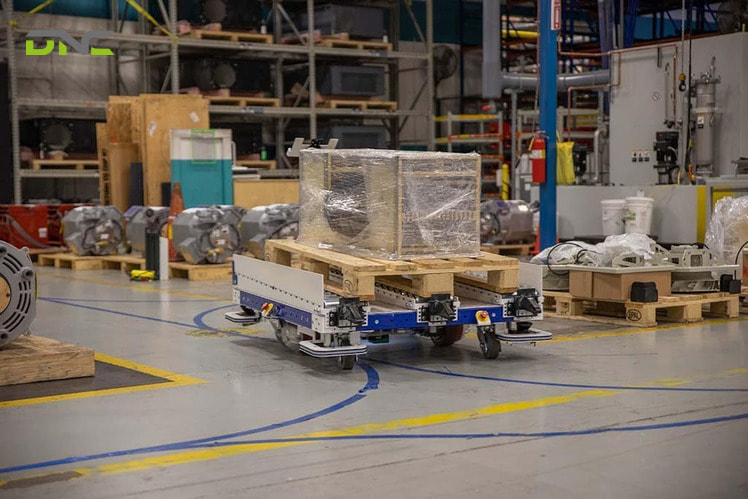
AGV vs AMR compares two kinds of driverless material transport. An automated guided vehicle (AGV) follows a route the system fixed in advance, read from magnetic tape, floor wires, QR codes or reflectors. An autonomous mobile robot (AMR) locates itself on a SLAM (simultaneous localisation and mapping) map built from lidar and camera data and plans its..
Read more- 26 views
- 0 Comment
AGV Safety Standards: ISO 3691-4, Safety Scanners & Speed Zones
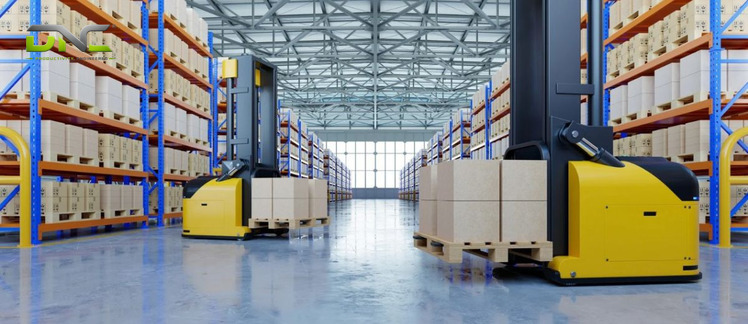
AGV safety standards are led by ISO 3691-4, the international safety standard for driverless industrial trucks, whose current 2023 edition covers automated guided vehicles, autonomous mobile robots, tunnel tuggers and under-cart vehicles, with ANSI/ITSDF B56.5 as the North American counterpart. Both AGV safety standards rest on the same mechanism. A safety laser scanner slows the..
Read more- 55 views
- 0 Comment
AGV Pallet Transport at End of Line: Palletizer → Stretch Wrapper → Dock
AGV pallet transport at the end of a production line moves finished unit loads without a driver, from the palletizer outfeed through the stretch wrapper to a staging lane at the dock, on orders a fleet manager receives from the plant’s PLC, WMS or MES. The vehicle is usually a pallet truck AGV with covering..
Read more- 8 views
- 0 Comment
Recent Comments